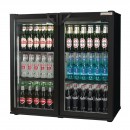
 Bottle Coolers & Beer Fridges
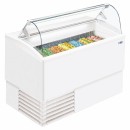 Ice Cream Displays
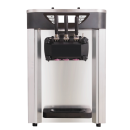 Ice Cream Machines
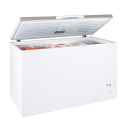 Chest Freezers
 Commercial Freezers
 Commercial Fridges
 Ice Cube Makers and Flakers
 Wine Coolers
 Bain Maries
 Commercial Microwaves
 Commercial Sinks
 Commercial Ovens
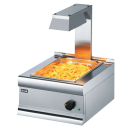 Fryers and Chip Scuttles
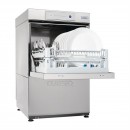 Glass and Dishwashers
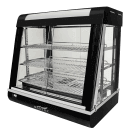 Pie Warmers & Hot Food Displays
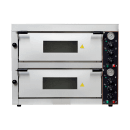 Pizza Ovens
 Water Boilers
 Bar Supplies
 Bowls & Display Baskets
 Cash Registers
 Chafing Dish Sets & Fuel
 Menus & Boards
 Table Numbers & Stands
 Salt, Pepper & Spice Mills
 Crockery
 Cutlery
 Glassware
 Wine Glasses
 Bins
Bins Cleaning Chemicals
 GreasePak
 Janitorial Equipment
 Laundry Equipment
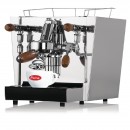 Coffee Machines
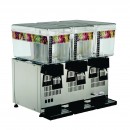 Juice Dispensers
 Juicers
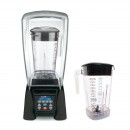 Drink Blenders
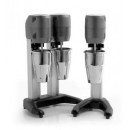 Milkshake Blenders
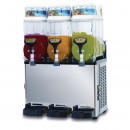 Slush Machines
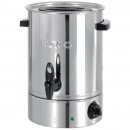 Water Boilers
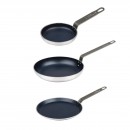 Cookware
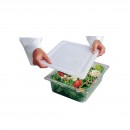 Gastronorm Containers
 Ingredient Bins
 Pastry & Baking
 Utensils
 Pizza Pans & Equipment
 Food Storage
 Food Transport & Delivery Bags
 Folding Furniture
 Garden and Outdoor Furniture
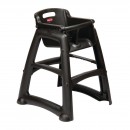 High Chairs
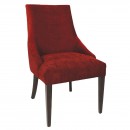 Chairs
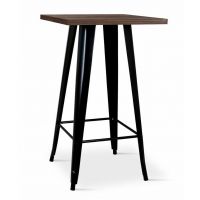 Tables
Catering Footwear
Commercial catering footwear is essential kit for anyone working in professional kitchens across the UK. Designed specifically for chefs and kitchen staff, these non-slip shoes provide crucial protection in environments where spills, heat, and long hours are part of daily life. With oil-resistant soles and waterproof options, quality kitchen safety shoes prevent accidents while supporting feet during those marathon shifts. After 50 years kitting out restaurants, we've seen how proper chef footwear pairs perfectly with chef whites and kitchen workwear to create a professional, safe kitchen environment—a worthy investment for any establishment prioritising staff wellbeing!
Shop By
-
 £27.98 £41.98
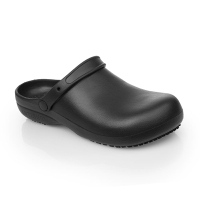
Commercial Chefs Clog | Slip Resistant Kitchen Shoes | Black | 42/43 Size | B979-4243
0.680.68
Nisbets Essentials
Lightweight for comfort
EVA
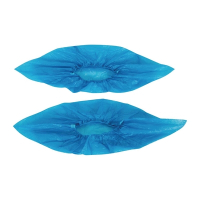
£70.50 £105.74Commercial Disposable Overshoe | 16 Inch CPE Shoe Cover | 2000 Pack | DB106
5.05Box of 2000
Lion Haircare
Elasticated opening
Comfortable, secure fit
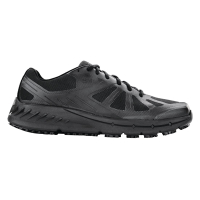
£84.42 £126.62Commercial Slip Resistant Trainers | Endurance Work Shoes | Black Size 50 | Shoes for Crews BB599-50
BB599-50
Shoes For Crews
Synthetic mesh upperSlip resistant
SFC FlexTread outsole with TripGuard
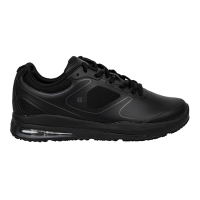
£92.70 £139.06Commercial Non Slip Trainers | Men's Evolution Work Shoes | Black Size 50 | Shoes for Crews BB586-50
1.481.48
Shoes For Crews
TripGuard and airbag for extra supportSynthetic upper is water resistant
Waterproof Mesh
Commercial Catering Footwear for Restaurant & Kitchen Staff
Explore More About Catering Footwear
Get expert guidance, see real chef stories, and find answers to your most common questions.
Brands Trusted by Industry Professionals
Key Features and Benefits
- Slip-Resistant Soles Special rubber compounds grip wet, oily floors—drastically reduces kitchen accidents.
- Water-Resistant Materials Repels spills and splashes—keeps feet dry during hectic shifts.
- Protective Toe Caps Guards against dropped utensils and equipment—prevents painful injuries.
- Breathable Design Reduces sweat and odour—comfortable through long, hot services.
- Lightweight Construction Less fatigue during 12-hour shifts—happier staff, better service.
- Heat-Resistant Properties Withstands hot surfaces and spills—added safety in high-temperature zones.
- Ergonomic Support Reduces back and joint pain—ideal for concrete kitchen floors.
- Easy-Clean Surfaces Wipes down in seconds—maintains hygiene standards easily.
Essential Buying Considerations
Comfort and Fit
- Choose shoes with cushioned insoles for 8+ hour shifts.
- Look for wide-fit options if staff have broader feet.
- Consider back-strap vs. full-back designs for different preferences.
Safety Features and Standards
- Check for EN ISO 20347 safety certification for professional kitchens.
- Higher slip resistance ratings (SRC) best for wet kitchen environments.
- Consider steel toe caps for high-risk preparation areas.
How Commercial Catering Footwear Works
Professional catering footwear isn't just ordinary shoes with a fancy name—they're engineered specifically for kitchen demands. The magic lies in specialised non-slip outsoles with unique tread patterns that grip wet, greasy floors. Many feature closed-toe designs with reinforced uppers that protect against dropped knives and splashing liquids. Waterproof materials repel spills while breathable linings prevent sweaty feet during long shifts. The best kitchen shoes distribute weight evenly with supportive insoles that reduce fatigue. It's safety engineering working silently underfoot, preventing accidents and keeping kitchen teams comfortable through those hectic service periods!

Trusted Insights from Charlotte Rayner

Commercial Cleaning Specialist
15 years experience
"Good footwear in the kitchen isn’t just about comfort—it’s about safety. Trust me, one slip on a greasy floor and you’ll wish you’d invested in proper non-slip shoes from the start!"Safety Guidelines
- Inspect Regularly Check for wear on soles monthly—prevents unexpected slips.
- Keep Clean Remove grease buildup daily—maintains grip performance.
- Replace When Worn Don't wait for accidents—replace when treads show wear.
- Proper Lacing Ensure shoes are securely fastened—prevents trips.
- Dry Thoroughly Never wear damp footwear—reduces grip effectiveness.
- Avoid Heat Sources Don't dry near ovens—prevents sole damage.
Top Tips for Using Commercial Catering Footwear
To maximise your kitchen footwear investment, rotate between two pairs to extend their lifespan and allow proper drying between shifts. Clean them regularly with mild soap and water, avoiding harsh chemicals that break down slip-resistant properties. Replace insoles every 3-6 months for continued comfort, and check tread patterns monthly—when they wear smooth, it's time for new shoes regardless of appearance. Pair with moisture-wicking chef socks for ultimate comfort during long shifts.
Benefits of Using Commercial Catering Footwear
- Reduced Sick Leave Prevents slips and falls—keeps your team working.
- Increased Productivity Comfortable staff move faster and work longer.
- Cost Savings Fewer accidents means lower insurance claims and costs.
Did You Know?
- Statistics Kitchen staff walk an average of 8-10km per shift!
- Durability Quality kitchen shoes last 12-18 months with daily use.
- Temperature Professional kitchen floors can reach 40°C during service.
- Investment Proper footwear reduces workplace accidents by up to 30%.

Expert Insights on Commercial Catering Footwear
Our footwear specialist Mark has fitted thousands of chefs over his 20 years with us. 'Most kitchen injuries are preventable with proper footwear,' he explains. 'The right shoes don't just prevent slips—they reduce fatigue, which keeps staff alert and productive during those long weekend services.'
- Pros: Prevents accidents, reduces fatigue, improves posture.
- Cons: Quality pairs need breaking in, premium models cost more initially.
Who Needs Commercial Catering Footwear?
- Restaurants From fine dining to busy chains—essential safety gear.
- Hotels Busy kitchens serving hundreds daily need reliable protection.
- Catering Colleges Start safety habits early with proper footwear.
- Airline Caterers High-volume production needs serious foot support.

Real-World Success with Commercial Catering Footwear
A bustling gastropub in Bristol switched their entire kitchen team to professional safety footwear last year after one too many near-misses. They invested in quality chef clogs with SRC-rated slip resistance and proper arch support. 'The difference was immediate,' reports Head Chef James. 'Staff complaints about back pain dropped to almost zero, and we've gone 11 months without a single slip accident. The team works more confidently around hot oil and water spills now, and the shoes have outlasted cheaper options by months.'

FAQs
- How often should kitchen shoes be replaced? Typically every 12-18 months, sooner if tread shows significant wear.
- Are chef clogs better than lace-up shoes? Clogs offer easier on/off, while lace-ups provide more secure fitting—depends on preference.
- Can I use trainers instead of kitchen shoes? No, regular trainers lack required slip resistance and protection for commercial kitchens.
- Do kitchen shoes help with foot pain? Quality models with proper arch support significantly reduce pain from long shifts.
- Are expensive kitchen shoes worth it? Higher-priced models typically last longer and offer better protection—lower cost per use.
- How do I clean greasy kitchen footwear? Warm water and mild soap, avoiding harsh chemicals that damage slip-resistant properties.
Looking for Equipment by Business Type?
Not sure where to start? Whether you're running a bustling café, opening a pizzeria, or managing a school canteen, we've made it easy to shop by business type. Explore handpicked equipment bundles and essentials tailored to your industry—saving you time and making sure you get exactly what you need.
Other Categories You Might Find Useful
We’ve selected some closely related categories that might be essential for your setup. Whether you’re expanding your kitchen or just making sure you’ve got everything covered, these links will help you explore more equipment that fits your needs.
Commercial Kitchen Clothing, Aprons & Footwear for Professional Catering Commercial Anti-Fatigue Mats for Kitchens & Restaurants Commercial Slip Covers for Restaurants & Food Service Commercial Kitchen Step Stools for Restaurants & Catering Professional Bib Aprons for Chefs & Restaurant Staff Commercial Cleaning Chemicals for Restaurants & Hospitality Commercial Cleaning Cloths for Restaurants & Professional Kitchens Commercial Kitchen Utensils for Restaurants & CateringWhat our Customers Say
'These kitchen shoes have saved my back and probably my career!'
L Lee Head Chef, The Spotted Duck, Norwich'First slip-free winter in our busy kitchen—worth every penny.'
M Moira Restaurant Owner, Glasgow
Why Choose EasyEquipment for Commercial Catering Footwear?
- Trusted Supplier 50 years equipping UK kitchens—we know what works.
- Fast Delivery Next-day options—no waiting when you need replacements.
- Best Price Promise Found identical footwear cheaper? We'll match it.
- Expert Advice Our team has kitchen experience—proper fitting guaranteed.
Ready to Explore Commercial Catering Footwear?
Browse our complete range of professional kitchen footwear with options for every role and preference. From chef clogs to safety boots, we've got your team covered with top-rated, kitchen-tested options!