
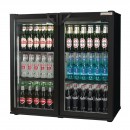
 Bottle Coolers & Beer Fridges
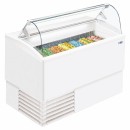 Ice Cream Displays
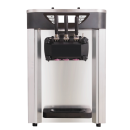 Ice Cream Machines
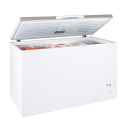 Chest Freezers
 Commercial Freezers
 Commercial Fridges
 Ice Cube Makers and Flakers
 Wine Coolers
 Bain Maries
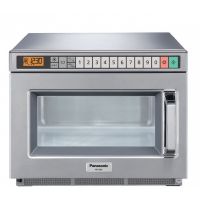 Commercial Microwaves
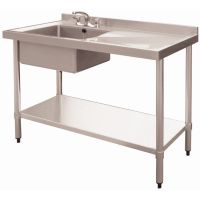 Commercial Sinks
 Commercial Ovens
 Fryers and Chip Scuttles
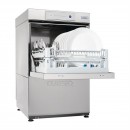 Glass and Dishwashers
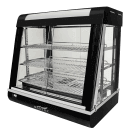 Pie Warmers & Hot Food Displays
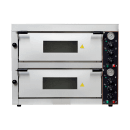 Pizza Ovens
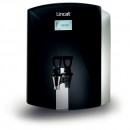 Water Boilers
 Bar Supplies
 Bowls & Display Baskets
 Cash Registers
 Chafing Dish Sets & Fuel
 Menus & Boards
 Table Numbers & Stands
 Salt, Pepper & Spice Mills
 Crockery
 Cutlery
 Glassware
 Wine Glasses
 Bins
Bins Cleaning Chemicals
 GreasePak
 Janitorial Equipment
 Laundry Equipment
 Coffee Machines
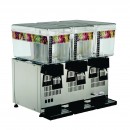 Juice Dispensers
 Juicers
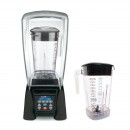 Drink Blenders
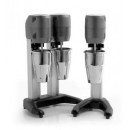 Milkshake Blenders
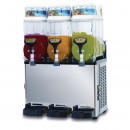 Slush Machines
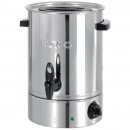 Water Boilers
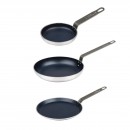 Cookware
 Gastronorm Containers
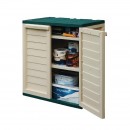 Ingredient Bins
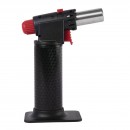 Pastry & Baking
 Utensils
 Pizza Pans & Equipment
 Food Storage
 Food Transport & Delivery Bags
 Folding Furniture
 Garden and Outdoor Furniture
 High Chairs
 Chairs
 Tables
Wine Coolers
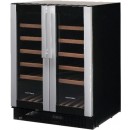
Commercial Wine Coolers are essential investments for any UK restaurant, wine bar, or hotel looking to serve perfectly chilled wines at the ideal serving temperature. With capacities ranging from compact 50-bottle undercounter models to impressive 300+ bottle display units, these professional-grade refrigerators are built specifically for hospitality environments. Unlike domestic models, they maintain precise temperature control even during peak service times, feature robust shelving for heavy commercial use, and offer energy-efficient cooling systems that can handle constant door openings. Whether paired with commercial refrigeration units or bar equipment, a quality wine cooler transforms your wine service—enhancing presentation, preserving quality, and ultimately delivering a superior experience that keeps customers coming back!
-
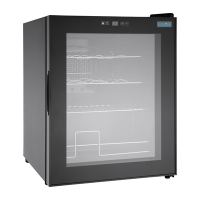 £164.96 £482.09
Commercial Table Top Wine Fridge | Wine Cooler | 16 Bottle Capacity | Polar C-Series CB058
19560H x 430W x 450D mm
13 amp plug fitted
48Ltr
Painted Steel
£227.99 £339.00Mini Wine Cooler | Small Wine Fridge | 10 Bottle Capacity | Blizzard BMB30
14.6480H x 400W x 420D mm
Blizzard
10 Bottles / 30 ltr
Black
 £307.70 £767.40
Commercial Countertop Wine Cooler | 44 Bottle Wine Fridge | Display Chiller | Polar CC067
37.5848H x 495W x 565D mm
13 amp plug fitted
128Ltr
Painted Steel
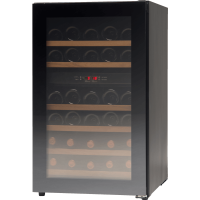 £658.99 £1,098.00
Commercial Wine Fridge | Under Counter Wine Cooler | 32 Bottle Capacity | Vestfrost WFG32
830H x 493W x 587D mm
Vestfrost
Smoked glass door
Black laminated
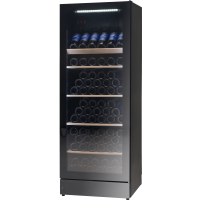 £1,210.99 £2,018.00
Commercial Wine Fridge | Upright Wine Cooler | 147 Bottle Capacity | Vestfrost WFG155
1550H x 595W x 595D mm
Vestfrost
Clear glass door
Black laminated
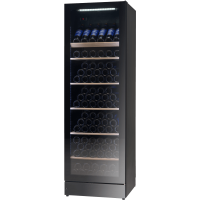 £1,320.99 £2,202.00
Commercial Wine Fridge | Upright Wine Cooler | 197 Bottle Capacity | Vestfrost WFG185
1850H x 595W x 595D mm
Vestfrost
Clear glass door
Black laminated
 £1,650.99 £2,457.00
Commercial Wine Cooler | Upright Wine Fridge | 81 Bottle Capacity | Blizzard WD400
1861940H x 656W x 653D mm
Blizzard
81 bottles / 400 ltr
Black
Commercial Wine Coolers for Restaurants & Bars
Explore More About Wine Coolers
Get expert guidance, see real chef stories, and find answers to your most common questions.
Brands Trusted by Industry Professionals
Key Features and Benefits
- Precise Temperature Control Dual-zone technology keeps reds at 14-18°C and whites at 5-12°C—perfect service every time.
- Glass Display Doors Showcase your wine selection while UV protection prevents light damage.
- Commercial-Grade Build Heavy-duty shelving and reinforced hinges withstand busy service periods.
- Rapid Temperature Recovery Maintains consistent cooling even with frequent openings during rushes.
- Even Air Distribution Circulation fans eliminate hot spots—uniform cooling throughout.
- Vibration-Free Operation Prevents disturbance of sediment—preserves wine quality.
- Condensation Management Auto-defrost and drainage systems—no puddles or maintenance hassles.
- Energy Efficient Design Lower running costs despite commercial-level performance.
Too busy to read? Listen instead.
In this episode of The Deep Dive, learn how commercial wine coolers enhance hospitality—from dual-zone temperature control and UV-protected displays to energy-efficient cooling and smart layout tips for peak service performance.
12.42min | Expert-led | Real-world advice
Read Full Podcast Transcript: "Wine Coolers" 0:00: You know that feeling when you really want to get something, properly understand it, not just skim the surface, but then you see the mountain of info and just think, oh, maybe later.
0:10: Well, that's where we come in with a deep dive.
0:12: We do the digging for you.
0:14: We sift through it all, pull out the important bits, and serve it up so you actually feel like you know what's what fast track to being informed, basically.
0:21: Exactly.
0:21: And today, we're diving deep specifically for you into, commercial wine coolers might sound a bit niche, but stick with us.
0:32: Yeah, our main source here is easy equipment.
0:35: They're a UK supplier, restaurants, bars, that kind of year.
0:39: We've been looking at their stuff on these wine coolers, and honestly there's quite a bit going on with these things, more than just a fancy fridge, right?
0:46: So our mission today, pretty simple, really.
0:49: Yeah, we want to unpack what commercial wine coolers are actually about.
0:52: You know, their purpose, the key features, the benefits for businesses serving wine.
0:58: And what you need to think about if you're considering getting one, will boil it down so you get the core info without You know, needing a degree in refrigeration.
1:06: OK, let's jump in then.
1:08: What are commercial wine coolers?
1:10: How are they different from my fridge at home, apart from holding wine?
1:14: OK, so fundamentally, they are specialized refrigerators built specifically for places like restaurants, wine bars, hotels, places serving wine professionally.
1:23: Precisely.
1:24: Their main job is keeping wine perfectly chilled for serving.
1:28: And the first thing you notice is the capacity range.
1:30: It's huge.
1:31: How?
1:32: Well, you can get small under counter ones, maybe holding around 50 bottles, or you can go up to these big display units that hold like 300 bottles or even more.
1:39: Wow, OK, 50 to 300 plus that's a massive difference.
1:43: So it's not just size, right?
1:45: What else makes them commercial?
1:46: Yeah, absolutely not just size.
1:48: They're built tough, professional great, designed for the hustle and bustle of a busy bar or restaurant.
1:52: Your home fridge wouldn't cope.
1:54: Not really, not with constant opening heavy use.
1:57: These commercial ones have, really.
2:00: precise temperature control that stays stable, even when things get hectic.
2:03: Busy service times, yeah, makes sense.
2:05: And the shelving is stronger, built for lots of bottles being moved around, plus their cooling systems are designed to be energy efficient, despite the door being open all the time.
2:14: Right?
2:14: They recover quickly.
2:15: Exactly.
2:16: It's all geared towards that commercial reality.
2:18: So it sounds like they do more than just chill.
2:20: It's about presentation too, and keeping the wine good.
2:25: You've nailed it.
2:26: The purpose really breaks down into three things.
2:29: Making the wine look good, keeping the quality spot on from cellar to glass, and ultimately giving the customer a better experience.
2:37: OK, got it.
2:38: More than just cool boxes.
2:40: So let's dig into the features and benefits.
2:42: What makes them so special?
2:43: Well, number one has to be that precise temperature control.
2:47: A lot of them have what's called dual zone technology.
2:49: 2 zones, like two different temperatures.
2:52: Exactly, two separate compartments you can control independently.
2:55: So you can keep your reds at their ideal, maybe 14 to 18 °C, slightly warmer, yeah.
3:01: And then your whites and roses cooler, say 5 to 12 degrees C.
3:06: Getting that right makes a huge difference to the taste, you know, the aromas, the flavors.
3:10: Oh, definitely.
3:12: Nothing worse than warm white wine or freezing cold red.
3:15: What else?
3:16: Glass display doors are a big one.
3:18: Well, obviously they show off your wine selection.
3:20: Looks good, tempts customers.
3:21: See what you've got, right.
3:23: But importantly, many have UV protection built into the glass,, like sunglasses for the wine, kind of.
3:30: UV light can actually damage wine over time, mess with its flavor, so that protection is pretty crucial, especially if the cooler is in a bright spot.
3:38: Didn't think about light damage.
3:40: OK.
3:40: Then there's the build quality we touched on.
3:42: Heavy duty shelves, strong hinges, they're made to last through thousands of openings in busy periods.
3:48: Not like my fridge door that groans a bit.
3:51: Exactly.
3:51: And linked to that is rapid temperature recovery.
3:54: When that door is open constantly during service, The cooler needs to get back down to the set temperature quickly.
4:00: These are designed to do that.
4:01: Keeps things consistent, even when it's manic.
4:03: Absolutely critical.
4:04: Then you've got even air distribution.
4:06: Usually, there are internal fans moving the air around.
4:10: Why is that important?
4:10: It stops hotspots forming inside, ensures every single bottle is at the same consistent temperature.
4:17: No warmer ones lurking at the back.
4:18: OK, uniform chilling.
4:20: And here's a really interesting one, especially for pricier wines.
4:24: Vibration-free operation.
4:26: Vibrations.
4:27: Why do they matter?
4:28: Well, even tiny vibrations over time can disturb the sediment in wine, particularly older reds.
4:33: Makes it cloudy, can affect the taste.
4:36: These coolers are engineered to run super smooth, very low vibration.
4:40: Wow.
4:40: Wow, never considered that.
4:42: The details.
4:43: They really do think about the wine's needs.
4:44: Oh, and practical stuff too, like condensation management, auto defrost systems, proper drainage, keeps moisture build up down, less cleaning, protects labels, less hassle, always good.
4:55: And finally, energy efficiency.
4:57: Despite being powerful commercial units, modern ones are often designed to be pretty efficient, which helps with the running costs.
5:03: Right, so powerful but not necessarily energy guzzlers compared to older tech.
5:09: OK, that's a solid list of features.
5:11: Now if I'm listening and thinking, yeah, maybe my place needs one of these, what are the key things I absolutely must consider before buying?
5:18: Good question.
5:19: First off, capacity and placement.
5:22: You got to be realistic about how much wine you sell, how much you need chilled and ready.
5:26: Have you figured that out?
5:27: Easy equipment gives a rough guide.
5:29: Yeah, maybe 50 to 100 bottles for a smaller menu, but 200 or more if you've got a really extensive list.
5:35: Then gra a tape measure.
5:37: Space is always key.
5:38: Always.
5:38: Check the exact spot.
5:40: Undercounter units are usually around 850 millimeter high, standard kitchen counter height.
5:45: But tall display ones need vertical space, plus room for ventilation.
5:48: And if it's a display model.
5:50: Think about the viewing angle.
5:51: You want customers to see the wine easily, right?
5:54: Maximize that visual appeal.
5:56: Makes sense, showcase the goods.
5:57: What about performance and how it fits into the day to day?
6:00: Right?
6:00: If you serve reds and whites, that dual zone feature becomes almost essential, doesn't it?
6:05: To get both temperatures right.
6:06: Yeah, it seems obvious now you say it.
6:08: Noise level is another one.
6:10: If it's going front of house, near customers, you don't want a loud humming monster.
6:14: Definitely not.
6:15: So, you might look into the difference between compressor models, they work like regular fridges, can be a bit noisier sometimes, and thermoelectric ones, which use a different, often quieter method, both chill effectively though.
6:28: Compressor versus thermoelectric.
6:30: OK.
6:32: Anything else?
6:32: Yeah, one more thing, especially if you store some really premium wines longer term, not just for immediate serving.
6:39: Humidity control, some higher-end models offer this, helps keep corks in good condition.
6:43: Right, so it's not just about serving temperature, but proper storage environment too for some wines.
6:48: Now, simplify it for us.
6:51: How do they actually work?
6:52: Boiling it down.
6:53: OK, the basics, they use either that compressor system, like your fridge at home, just more robust, or the thermoelectric method.
7:00: Both are designed to reliably hold those specific wine temperatures, usually somewhere between 5 and 18 °C, and the different zones.
7:07: Yeah, the dual or multi-zone models just have separate cooling elements and controls for each section.
7:13: Digital controls, like you said the exact temperature you need, and the fans, circulation fans inside, yeah, they just keep the air moving so it's the same temperature everywhere, no warm corners.
7:22: And we mentioned the UV glass and low vibration.
7:25: Exactly.
7:26: UV glass protects from light, and the whole design minimizes those vibrations we talked about, the ones that can disturb the wine, and critically, they're built to run constantly and recover temperature fast after opening.
7:38: That's the commercial difference.
7:39: Got it.
7:40: Much clearer now.
7:41: Now, Ey equipment had some quotes from specialists, right?
7:45: What did they say?
7:46: Yeah, they quoted Liam Sinclair, a refrigeration specialist.
7:49: He really hammered home the temperature point.
7:51: What was his take?
7:52: He said something like, wine needs the right chill to truly shine too warm, you lose flavors, too cold, you mask them.
8:01: He stressed that a good commercial cooler ensures every bottle is just right when poured.
8:05: Makes perfect sense.
8:07: It's all about hitting that sweet spot for taste.
8:10: So, summing up the key benefits we've discussed, OK, 3 main things.
8:13: One, better taste for the customer, cause the temperature is perfect.
8:17: Two, potentially more wine sales, cause it's displayed nicely and looks tempting.
8:21: 3, you protect your investment by storing the wine properly, extending its life.
8:26: Better taste, more sales, less waste.
8:28: Sounds good.
8:29: Now, any surprising facts or aha moments from the source?
8:34: Yeah, a few interesting nuggets, like, did you know serving wine just 2 °C, too warm can make it lose up to 10% of its aroma.
8:41: 10%, just from 2 degrees, wow.
8:44: Yeah, significant impact.
8:46: Yeah.
8:46: Also, modern units can use up to 35% less energy than models from, say, 10 years ago.
8:52: So upgrades can save money.
8:53: That's a big efficiency jump, and perception matters.
8:56: Apparently, 72% of UK diners think good wine presentation is part of an upscale experience.
9:02: Customers notice.
9:03: They do.
9:04: And finally, lifespan.
9:05: A good quality commercial unit looked after properly can last 7 to 10 years.
9:10: It's a proper investment.
9:11: 7 to 10 years.
9:12: OK, that's decent.
9:13: Any other expert takes?
9:14: They also quoted their beverage equipment specialist, Mark.
9:17: He talked about the return on investment.
9:19: He basically said it's not just an expense, it pays back through lower energy bills, saving stock from spoiling, and just providing better service that guests appreciate.
9:29: You know, wine served perfectly.
9:30: So the value outweighs the initial cost over time.
9:33: That was his point.
9:34: He listed the pros.
9:36: Better service, showcasing inventory, preserving quality, the main con, higher upfront cost than a domestic fridge, obviously, but justified by the performance and durability.
9:46: Right, you get what you pay for in a commercial setting, so who really needs one?
9:50: Which businesses?
9:51: It's mainly businesses where wine is pretty central.
9:54: Restaurants, especially aiming for that finer dining feel or with wine pairings.
9:59: 9 bars kind of essential for them really.
10:01: Hotels, for their restaurants, room service, events.
10:04: Yeah, hotels serve a lot of wine and event venues.
10:07: Anywhere handling lots of wine for functions needs reliable chilling.
10:11: OK, targeted, but quite a few places fall into those categories.
10:15: Did they give a real world example?
10:16: Yeah, a case study.
10:18: They did, yeah.
10:18: A boutique restaurant in Bristol.
10:20: They were using a domestic cooler and it just couldn't keep up.
10:25: Inconsistent temps, unhappy customers.
10:28: Sound familiar.
10:28: Yeah, I can picture that.
10:30: So they invested in a proper dual zone commercial one.
10:32: The result, they massively increased their wines by the glass, went from 8 choices up to 24.
10:39: Wow, tripled their offering.
10:41: And get this.
10:42: The wine sales jumped 40%, 40%, plus customers.
10:47: Started commenting positively on the wine presentation and how perfectly chilled it was.
10:51: That's a tangible result.
10:52: Shows it really can make a difference to the bottom line and customer perception.
10:56: Absolutely great example.
10:57: OK, nearly there to help anyone feeling a bit swamped, let's quickly cover some common questions.
11:02: Easy equipment addressed, FAQs, basically.
11:05: Sure, ideal red wine temp.
11:06: They confirmed that 1418 degrees C range, electricity use, modern efficient ones, about 1 to 3 kg per day.
11:13: So not crazy high.
11:15: Installation DIY or pro.
11:17: They lean towards pro installation, especially for bigger units to make sure ventilation is right for performance and lifespan and life span again.
11:23: Yep, 7, 10 years with good care.
11:26: Much longer than domestic ones usually last under pressure.
11:29: Single versus dual zone, just the number of temperature zones, as we said.
11:32: Dual is key for reds and whites together and UV protection necessary.
11:37: Pretty much, yeah, yeah, especially if it's in a bright area.
11:40: Stops the lights spoiling the wine over time.
11:42: Simple as that.
11:43: OK, brilliant.
11:44: So, wrapping up this deep dive, it's clear commercial wine coolers aren't just fridges, they're specialized kit, right?
11:52: Totally designed for precise temps, keeping wine good, making it look appealing.
11:57: All contributing to customer happiness and potentially more sales.
12:01: And hopefully this dive has given you, our listener, a really solid, easy to grasp understanding of what they're all about, the core knowledge without the jargon, exactly, hopefully demystified them a bit, right?
12:12: And just to leave you with something to chew on.
12:15: Beyond the tech specs, what does serving perfectly chilled wine actually say about a business, about their commitment to quality, the whole experience?
12:24: good question.
12:25: Or think about this.
12:26: With that impact on aroma we mentioned and how much customers notice presentation, could something seemingly small like wine storage actually be a major way for a place to stand out?
12:37: Definitely something to consider.
12:38: The details matter.
12:39: Wine for thought, perhaps.
12:41: We'll leave it there for this deep dive.
Essential Buying Considerations
Capacity and Placement
- Calculate bottle capacity based on your menu—50-100 bottles for small venues, 200+ for extensive lists.
- Measure available space—undercounter units fit standard 850mm height, while tall cabinets need proper clearance.
- Consider viewing angle for display models—eye-level placement maximizes wine visibility to customers.
Performance and Usage
- Choose dual-zone models if serving both reds and whites from the same unit.
- Check noise levels for front-of-house placement—compressor models can be louder than thermoelectric.
- Opt for humidity control for long-term storage of premium wines and champagnes.
How Commercial Wine Coolers Work
Commercial wine coolers use compressor-based or thermoelectric cooling technology to maintain precise temperatures between 5-18°C—crucial for preserving wine quality. Most professional models feature dual or multiple temperature zones, allowing you to store reds, whites and champagnes at their perfect serving temperatures simultaneously. Digital temperature controls let you adjust settings to the exact degree, while circulation fans ensure even cooling throughout the cabinet. UV-protected glass doors prevent harmful light exposure that damages wine, and vibration-free operation keeps sediment undisturbed. These systems work continuously and recover quickly after door openings—essential for busy service periods when domestic units would struggle!

Trusted Insights from Liam Sinclair

Refrigeration Specialist
13+ years experience
"Wine needs the right chill to shine—too warm and you lose the flavour, too cold and you mute the notes. A commercial wine cooler keeps every bottle at its best, so your reds and whites always pour perfectly."Safety Guidelines
- Regular Inspection Check door seals monthly—prevents temperature fluctuations.
- Secure Installation Ensure level positioning—improper balance causes vibration.
- Avoid Overloading Don't exceed capacity—blocks air circulation.
- Proper Handling Use care when moving units—prevents refrigerant leaks.
- Electrical Safety Use dedicated circuits for large units—prevents overload.
- Ventilation Clearance Keep 5cm minimum around unit—ensures proper cooling.
Top Tips for Using Commercial Wine Coolers
For optimal performance, arrange bottles to allow proper air circulation—don't overpack shelves even during busy periods. Clean condenser coils quarterly to maintain efficiency and extend unit life. Position whites and champagnes at the bottom of single-zone coolers where it's naturally cooler. Keep an inventory system to track stock rotation, and consider wine preservation systems for premium bottles served by the glass. Always allow a new unit to run for 24 hours before stocking to ensure stable temperatures.
Benefits of Using Commercial Wine Coolers
- Enhanced Taste Experience Perfect serving temperatures bring out wine's true character.
- Increased Wine Sales Visible storage encourages higher-margin wine purchases.
- Extended Wine Lifespan Proper storage prevents spoilage of valuable inventory.
Did You Know?
- Temperature Impact Wine served just 2°C too warm loses 10% of its aromatics.
- Energy Savings Modern units use 35% less power than models from 10 years ago.
- Premium Perception 72% of UK diners rate wine presentation as key to upscale dining.
- Return on Investment Quality commercial units last 7-10 years with proper maintenance.




Expert Insights on Commercial Wine Coolers
After supplying wine coolers to UK establishments for decades, we've learned what makes them essential. 'The right commercial wine cooler pays for itself,' says Mark, our beverage equipment specialist. 'Not just in energy savings, but in preserving expensive stock and elevating your wine service—guests notice when wine is served at perfect temperature.'
- Pros: Enhances wine service, showcases inventory, preserves quality.
- Cons: Higher initial investment than domestic units—though justified by durability.
Who Needs Commercial Wine Coolers?
- Restaurants Essential for fine dining with wine pairings and extensive lists.
- Wine Bars Showcase diverse selections while maintaining perfect serving temperatures.
- Hotels Impress guests with properly stored wines for room service and restaurants.
- Event Venues Reliable cooling for high-volume function service.

Real-World Success with Commercial Wine Coolers
A boutique restaurant in Bristol faced a challenge—their domestic wine cooler couldn't handle service demands, leading to temperature fluctuations and disappointed customers. After installing our dual-zone commercial unit alongside their ice machine, they transformed their wine service. 'We've increased our by-the-glass selection from 8 to 24 wines,' explains the owner. 'Wine sales are up 40%, and customers frequently comment on how well-presented and perfectly chilled our wines are. It's become a proper talking point!'

FAQs
- What's the ideal temperature for storing red wines in a commercial cooler? Most reds show best between 14-18°C—our dual-zone models maintain this precisely.
- How much electricity does a commercial wine cooler use? Energy-efficient models typically use 1-3kWh daily—significantly less than older units.
- Can I install an undercounter wine cooler myself? Yes, though professional installation ensures proper ventilation and optimal performance.
- How long do commercial wine coolers typically last? Quality units last 7-10 years with proper maintenance—far outlasting domestic models.
- What's the difference between single and dual-zone wine coolers? Dual-zone allows different temperatures for reds and whites simultaneously—ideal for varied wine lists.
- Are UV-protected glass doors really necessary for commercial units? Absolutely—they prevent light damage that can spoil wine, especially in bright restaurant environments.
Looking for Equipment by Business Type?
Not sure where to start? Whether you're running a bustling café, opening a pizzeria, or managing a school canteen, we've made it easy to shop by business type. Explore handpicked equipment bundles and essentials tailored to your industry—saving you time and making sure you get exactly what you need.
Other Categories You Might Find Useful
We’ve selected some closely related categories that might be essential for your setup. Whether you’re expanding your kitchen or just making sure you’ve got everything covered, these links will help you explore more equipment that fits your needs.
Commercial Bottle Chillers & Wine Coolers for Bars & Restaurants Commercial Wine Buckets & Stands for Restaurants & Bars Commercial Wine Glasses for Restaurants & Hospitality Commercial Wine Racks for Restaurants & Bars Commercial Ice Buckets & Ice Crushers for Bars & Restaurants Commercial Corkscrews & Bottle Openers for Bars & Restaurants Commercial Beverage Accessories for Bars, Cafés & Restaurants Commercial Beverage Service Equipment for Restaurants & BarsWhat our Customers Say
'Our wine cooler has boosted our premium wine sales tremendously—perfect investment!'
J James Wine Bar Owner, Leeds'Keeps everything at spot-on temperature even during manic Saturday service!'
C Charlotte Restaurant Manager, Glasgow
Why Choose EasyEquipment for Commercial Wine Coolers?
- Trusted Supplier 50 years supplying UK hospitality—we know what works.
- Next-Day Delivery Quick service UK-wide—get up and running fast.
- Best Price Promise Quality units at competitive rates—value guaranteed.
- Expert Guidance Dedicated support from hospitality equipment specialists.
Ready to Explore Commercial Wine Coolers?
Elevate your wine service with our range of premium commercial wine coolers. From compact undercounter models to impressive display cabinets, we'll help you find the perfect solution for your restaurant, bar or hotel—with expert advice and fast UK delivery!
