
 Bottle Coolers & Beer Fridges
 Ice Cream Displays
 Ice Cream Machines
 Chest Freezers
 Commercial Freezers
 Commercial Fridges
 Ice Cube Makers and Flakers
 Wine Coolers
 Bain Maries
 Commercial Microwaves
 Commercial Sinks
 Commercial Ovens
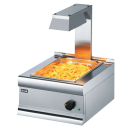 Fryers and Chip Scuttles
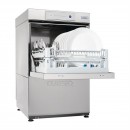 Glass and Dishwashers
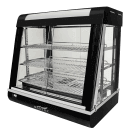 Pie Warmers & Hot Food Displays
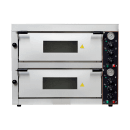 Pizza Ovens
 Water Boilers
 Bar Supplies
 Bowls & Display Baskets
 Cash Registers
 Chafing Dish Sets & Fuel
 Menus & Boards
 Table Numbers & Stands
 Salt, Pepper & Spice Mills
 Crockery
 Cutlery
 Glassware
 Wine Glasses
 Bins
Bins Cleaning Chemicals
 GreasePak
 Janitorial Equipment
 Laundry Equipment
 Coffee Machines
 Juice Dispensers
 Juicers
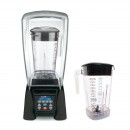 Drink Blenders
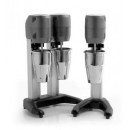 Milkshake Blenders
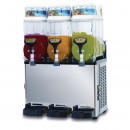 Slush Machines
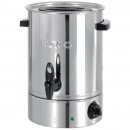 Water Boilers
 Cookware
 Gastronorm Containers
 Ingredient Bins
 Pastry & Baking
 Utensils
 Pizza Pans & Equipment
 Food Storage
 Food Transport & Delivery Bags
 Folding Furniture
 Garden and Outdoor Furniture
 High Chairs
 Chairs
 Tables
The Ultimate Guide to the Polar G592 Commercial Fridge: Specs Made Simple + Pro Tips
Introduction: A Fridge That Works as Hard as Your Kitchen Does
Walking into a commercial kitchen, you'll see one appliance working tirelessly - the fridge. The Polar G592 isn't just another stainless steel box; it's the silent hero keeping your ingredients fresh and safe. But between technical jargon and sales pitches, it's hard to know what really matters.
This guide does two important things:
-
Explains every feature in plain English (no confusing terms)
-
Shares real kitchen secrets (what product pages don't tell you)
Whether you run a café, restaurant, or catering business, you'll finish reading knowing exactly how this fridge can help - or if something else might suit better.
Section 1: The Polar G592 Explained (Without the Confusion)
1. Size & Storage: Will It Fit Your Needs?
"600-litre capacity" means:
-
Holds about 24 full grocery bags of food
-
Fits 3 standard hotel pans (the big metal trays kitchens use) side by side
-
Actual usable space: 376 litres (about 18 bags) after shelves and fittings
Pro Tip: The slim 680mm width fits where bulkier fridges won't, making it perfect for:
-
Tight kitchen corners
-
Behind serving counters
-
Small catering vans
2. Gastronorm (GN) Compatibility - What It Really Means
Simple Explanation:
Most professional kitchens use metal pans that come in standard sizes called "Gastronorm" (GN). The G592 is designed to hold these perfectly.
Why This Matters:
-
No wasted space - pans slide right in
-
Easy to move prepped food from fridge to counter
-
Works with common sizes: GN 1/1 (full size) and GN 2/1 (half size)
Real Kitchen Hack: Use color-coded GN pans to:
-
Keep raw meat separate (red pans)
-
Store ready-to-eat foods (blue pans)
-
Organize by prep day (Monday/Tuesday pans)
3. Cooling Technology That Actually Works
"Fan-assisted" cooling explained:
-
Normal fridge: Gets warm every time you open the door
-
G592: Has a small fan that circulates cold air 30% faster
-
Result: Temperature stays steady even in busy kitchens
Chef's Secret: The fan makes this fridge ideal for:
-
Breakfast rush (constant door opening)
-
Meal prep times (staff in and out frequently)
-
Hot kitchen environments
4. Automatic Defrost vs. Manual - Which is Better?
Automatic Defrost:
-
Melts ice buildup by itself
-
Never needs to be turned off
-
Best for: Busy kitchens that can't afford downtime
Manual Defrost:
-
Cheaper to buy
-
Needs defrosting every few months
-
Can lose temperature during defrosting
Maintenance Tip: Even with auto defrost, wipe down interior monthly to prevent ice in corners.
Section 2: Real Kitchen Performance (Beyond the Brochure)
Temperature Control That Keeps Food Safe
-
Adjustable from -2°C to +8°C (most foods need 0°C to 5°C)
-
Digital display shows exact temperature
-
Alarm sounds if temperature rises too much
Food Safety Must-Know:
-
Dairy products: Store at 4°C
-
Raw meat: Store at 2°C (bottom shelf)
-
Prepared foods: 3°C (middle shelves)
Energy Use: What It Really Costs
-
Energy Rating C (middle of the scale)
-
Actual power use: About £15-£20 per month
-
Quieter than most (48dB - like background music)
Cost-Saving Trick: Position the fridge:
-
Away from ovens and dishwashers (heat makes it work harder)
-
With 10cm space at back (lets heat escape)
-
Out of direct sunlight
Durability Features That Matter
-
Stainless steel exterior: Wipe clean easily, won't rust
-
Reinforced shelves: Hold up to 21kg each (about 3 large joints of meat)
-
Locking castors: Wheels that stay put when needed
Longevity Tip: Clean condenser coils every 3 months to add years to its life.
Section 3: Who Should (and Shouldn't) Buy This Fridge
Best For:
-
Medium-sized restaurants (30-50 covers)
-
Cafés with fresh food offerings
-
Caterers doing 50+ meals per event
-
Hotel breakfast kitchens
Not Ideal For:
-
Very small coffee shops (only needing milk storage)
-
Outdoor catering in hot climates
-
Budget operations needing cheapest option
Alternative Suggestion: For smaller needs, consider the Polar G590 (440L version)
Section 4: Pro Installation & Maintenance Guide
Setting It Up Right
-
Level the fridge (prevents door issues)
-
Leave 10cm clearance at back/sides
-
Let it run empty for 4 hours before loading
Daily/Weekly Care
-
Daily: Quick interior wipe
-
Weekly: Check door seals
-
Monthly: Full clean with food-safe sanitizer
When to Call a Technician
-
Temperature fluctuating more than 2°C
-
Unusual noises (clicking or grinding)
-
Ice building up in one area
Final Verdict: Is the Polar G592 Right for You?
Buy it if:
✔ You need reliable cooling for medium-sized operations
✔ Standard GN pans are part of your workflow
✔ You want "set and forget" temperature control
Consider alternatives if:
✖ Your kitchen is always above 32°C
✖ You only need basic milk/ingredient storage
✖ Budget is extremely tight
The Bottom Line: For most UK food businesses, the G592 offers the perfect balance of size, performance and value. It's not the fanciest or cheapest, but it's proven to work day after day in real kitchens.
Your Questions Answered
Still unsure? Ask about:
-
Specific kitchen layouts
-
Alternative models
-
Energy saving tips
-
Best cleaning practices
We're here to help you choose the perfect fridge for your needs!