
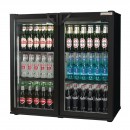
 Bottle Coolers & Beer Fridges
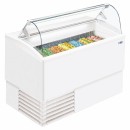 Ice Cream Displays
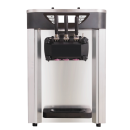 Ice Cream Machines
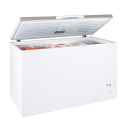 Chest Freezers
 Commercial Freezers
 Commercial Fridges
 Ice Cube Makers and Flakers
 Wine Coolers
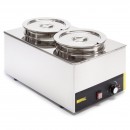 Bain Maries
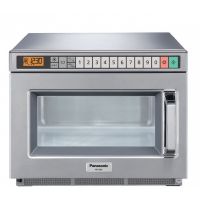 Commercial Microwaves
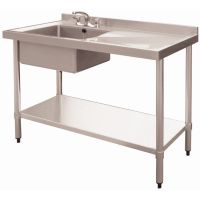 Commercial Sinks
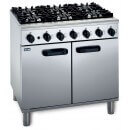 Commercial Ovens
 Fryers and Chip Scuttles
 Glass and Dishwashers
 Pie Warmers & Hot Food Displays
 Pizza Ovens
 Water Boilers
 Bar Supplies
 Bowls & Display Baskets
 Cash Registers
 Chafing Dish Sets & Fuel
 Menus & Boards
 Table Numbers & Stands
 Salt, Pepper & Spice Mills
 Crockery
 Cutlery
 Glassware
 Wine Glasses
 Bins
Bins Cleaning Chemicals
 GreasePak
 Janitorial Equipment
 Laundry Equipment
 Coffee Machines
 Juice Dispensers
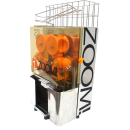 Juicers
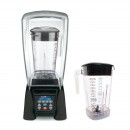 Drink Blenders
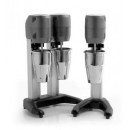 Milkshake Blenders
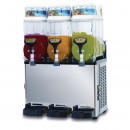 Slush Machines
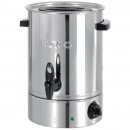 Water Boilers
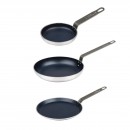 Cookware
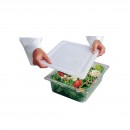 Gastronorm Containers
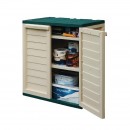 Ingredient Bins
 Pastry & Baking
 Utensils
 Pizza Pans & Equipment
 Food Storage
 Food Transport & Delivery Bags
 Folding Furniture
 Garden and Outdoor Furniture
 High Chairs
 Chairs
 Tables
When running a restaurant or café, the efficiency of your kitchen layout can significantly impact the overall success of your business. A well-optimized kitchen ensures streamlined workflows, reduces waste, and enhances the productivity of your staff. At EasyEquipment, we understand the importance of having the right equipment and layout in place to foster an efficient kitchen space. In this blog, well discuss how to optimize your kitchen layout for maximum efficiency.
Why Is Kitchen Layout Important?
The kitchen layout is a crucial aspect of your restaurant or cafés operations. An optimized kitchen layout can lead to faster food preparation, improved staff interaction, and better overall service. Moreover, an efficiently designed kitchen reduces the likelihood of accidents and injuries by minimizing unnecessary movement and ensuring there is ample space for everyone to work safely.
Steps to Optimize Your Kitchen Layout
1. Identify Your Kitchens Workflow
Understanding the workflow in your kitchen is the first step toward optimizing the layout. This involves mapping out the steps involved in the preparation, cooking, and serving processes. Identify areas where bottlenecks occur and consider how you can streamline these processes. By doing this, you can arrange your equipment and workstations in a manner that facilitates smooth workflow.
2. Choose the Right Layout Style
There are several common kitchen layout styles to choose from:
- Assembly Line Layout: Ideal for kitchens with high-volume production, where tasks are completed in a sequential manner.
- Island Layout: Features a central island that can be used for multiple tasks, offering flexibility and efficiency.
- Zone Layout: Divides the kitchen into different zones for specific tasks, such as preparation, cooking, and cleaning.
- Open Layout: Allows for better communication and interaction between staff, ideal for smaller kitchens.
3. Invest in High-Quality Equipment
Having the right equipment is essential for an efficient kitchen layout. High-quality equipment not only enhances productivity but also ensures consistency in food quality. EasyEquipment supplies a wide range of top-notch kitchen equipment that can help you achieve your efficiency goals.
4. Maximize Use of Space
Space is often a premium in commercial kitchens. Utilize vertical space with shelving and racks, and consider installing equipment that serves multiple functions. This helps in saving space while ensuring all necessary tools are within easy reach.
5. Implement Ergonomic Principles
Ergonomics plays a vital role in reducing fatigue and increasing efficiency. Position workstations at the right height, ensure tools and equipment are within arms reach and arrange your kitchen in a way that minimizes unnecessary bending and stretching.
Common Questions About Kitchen Layout Optimization
What Are the Most Critical Zones in a Kitchen?
The most critical zones in a kitchen include the preparation area, cooking area, cleaning area, and storage area. Ensuring these zones are well-organized and appropriately spaced can greatly enhance efficiency.
How Can I Improve Communication in My Kitchen?
Improving communication in the kitchen can be achieved by implementing an open layout where possible. Clear signage, regular staff meetings, and having designated communication channels can also help improve coordination among team members.
What Role Does Technology Play in a Kitchen Layout?
Technology can significantly improve kitchen efficiency. Automated equipment, kitchen display systems (KDS), and inventory management software can streamline various aspects of kitchen operations, from food preparation to inventory control.
How Often Should I Review and Update My Kitchen Layout?
Regularly reviewing and updating your kitchen layout is essential to maintaining efficiency. Conduct a thorough assessment at least once a year or whenever you introduce new equipment or menu items.
Conclusion
Optimizing your kitchen layout is a continuous process that requires careful planning and regular reviews. By understanding your workflow, choosing the right layout style, investing in quality equipment, maximizing space utilization, and implementing ergonomic principles, you can create a kitchen that operates at peak efficiency. For all your kitchen equipment needs, visit EasyEquipment.