
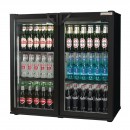
 Bottle Coolers & Beer Fridges
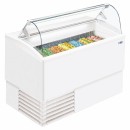 Ice Cream Displays
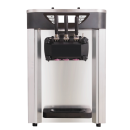 Ice Cream Machines
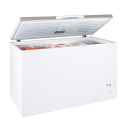 Chest Freezers
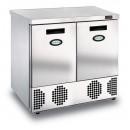 Commercial Freezers
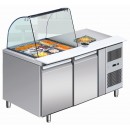 Commercial Fridges
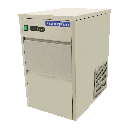 Ice Cube Makers and Flakers
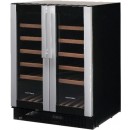 Wine Coolers
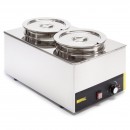 Bain Maries
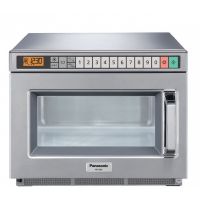 Commercial Microwaves
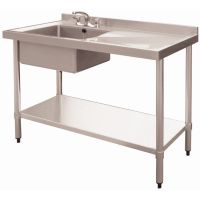 Commercial Sinks
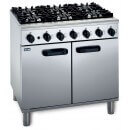 Commercial Ovens
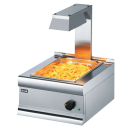 Fryers and Chip Scuttles
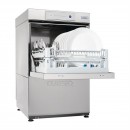 Glass and Dishwashers
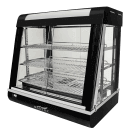 Pie Warmers & Hot Food Displays
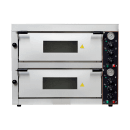 Pizza Ovens
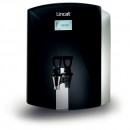 Water Boilers
 Bar Supplies
 Bowls & Display Baskets
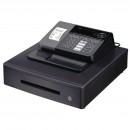 Cash Registers
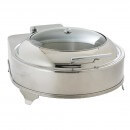 Chafing Dish Sets & Fuel
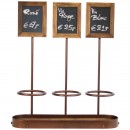 Menus & Boards
 Table Numbers & Stands
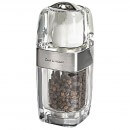 Salt, Pepper & Spice Mills
 Crockery
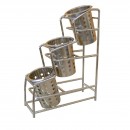 Cutlery
 Glassware
 Wine Glasses
 Bins
Bins Cleaning Chemicals
 GreasePak
 Janitorial Equipment
 Laundry Equipment
 Coffee Machines
 Juice Dispensers
 Juicers
 Drink Blenders
 Milkshake Blenders
 Slush Machines
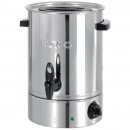 Water Boilers
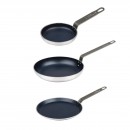 Cookware
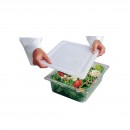 Gastronorm Containers
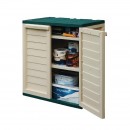 Ingredient Bins
 Pastry & Baking
 Utensils
 Pizza Pans & Equipment
 Food Storage
 Food Transport & Delivery Bags
 Folding Furniture
 Garden and Outdoor Furniture
 High Chairs
 Chairs
 Tables
Setting up a commercial kitchen can be a daunting task, but with the right guidance and equipment, you can make the process smooth and efficient. This comprehensive guide will walk you through the step-by-step process of setting up your commercial kitchen, ensuring that you have everything you need for a successful venture.
With EasyEquipment, you have access to a wide range of high-quality equipment for restaurants and cafes. Whether youre starting from scratch or upgrading your current setup, this guide will provide you with valuable insights and practical advice.
Step-by-Step Guide to Setting Up a Commercial Kitchen
Before diving into the setup process, its essential to address some key questions:
- What type of cuisine will you be serving? This will determine the specific equipment you need.
- How much space do you have? Space constraints will influence your kitchen layout and equipment choices.
- What is your budget? Plan your budget to ensure you can afford the necessary equipment without compromising on quality.
1. Plan Your Kitchen Layout
The first step in setting up a commercial kitchen is to plan your layout meticulously. A well-thought-out kitchen layout will enhance workflow, ensuring that your staff can work efficiently. Consider the following areas:
- Preparation Area: This is where ingredients are prepared. It should include preparation tables, cutting boards, and food processors.
- Cooking Area: Equip this area with cooking ranges, ovens, grills, and fryers.
- Storage Area: Include refrigerators, freezers, and shelving units to store ingredients and prepared food.
- Cleaning Area: Ensure you have commercial dishwashers, sinks, and drying racks.
2. Choose the Right Equipment
Choosing the right equipment is crucial for the smooth operation of your kitchen. Here are some essential pieces of equipment you should consider:
- Cooking Appliances: Ranges, ovens, grills, fryers, and microwaves.
- Refrigeration: Reach-in refrigerators, freezers, and under-counter units.
- Preparation Equipment: Food processors, mixers, and slicers.
- Storage Solutions: Shelving units, storage containers, and bins.
- Cleaning Equipment: Commercial dishwashers, sinks, and drying racks.
For a complete range of high-quality kitchen equipment, visit EasyEquipment and explore their extensive collection.
3. Ensure Compliance with Health and Safety Regulations
Compliance with health and safety regulations is non-negotiable in a commercial kitchen. Make sure you adhere to the following:
- Food Safety: Implement proper food handling and storage procedures to prevent contamination.
- Fire Safety: Install fire extinguishers and fire suppression systems.
- Employee Safety: Provide adequate training and ensure the kitchen is free from hazards.
4. Organise Your Inventory
Efficient inventory management is vital for the smooth operation of your kitchen. Keep track of your ingredients and supplies to avoid running out of essential items. Utilise inventory management software to streamline this process.
5. Train Your Staff
Ensure your staff is well-trained to use the equipment and follow safety procedures. Regular training sessions will keep everyone up-to-date with best practices and enhance overall efficiency.
Frequently Asked Questions (FAQs)
What is the most important piece of equipment in a commercial kitchen?
While all equipment is crucial, the cooking range and refrigeration units are among the most important as they directly impact food preparation and storage.
How can I optimise my kitchen layout for better workflow?
Consider the kitchen triangle concept, which positions the sink, stove, and refrigerator at three points of a triangle for efficient movement. Additionally, ensure that related tasks are grouped together and that theres ample space for staff to move freely.
How do I maintain my kitchen equipment?
Regular maintenance is essential for the longevity of your kitchen equipment. Follow the manufacturers guidelines for cleaning and servicing. Schedule regular inspections and address any issues promptly to avoid costly repairs.
Conclusion
Setting up a commercial kitchen requires careful planning and the right equipment. By following this Step-by-Step Guide to Setting Up a Commercial Kitchen, youll be well-prepared to create a functional and efficient workspace. Remember, EasyEquipment offers a range of top-quality products to meet all your kitchen needs. Visit EasyEquipment today and take the first step towards setting up your dream commercial kitchen.